

Our Team
A Coalition for Collective Impact
True transformational change cannot be achieved in isolation - by single sectors or institutions. NPLI works through partnership and collaboration building on diverse knowledge and experience across key public and private sector actors. Through shared understanding of ambition and collective action NPLI bridges the gap between local implementation and global ambition. Our growing community of partners includes:
❋ Industry and Finance
Driving new approaches for landscape-level and nature positive financial flows
❋ Scientific & Conservation Institutions
Providing the rigorous, peer-reviewed methodologies and approaches
❋ Governments & Regulators
Shaping policy for the future and creating incentives for improved performance
❋ Philanthropy & Development Institutions
Supporting and incubating innovative nature positive action and advocacy
❋ Indigenous Peoples & Local Communities
Ensuring actions and value proposition are grounded in traditional knowledge, experience and shared prosperity.
The Nature Positive Landscape Initiative is developed in collaboration with the Nature Positive Initiative.

Who We Are
NPLI was founded to solve a critical industry challenge - the need for corporate action for Nature but at the same time, the lack of a practical pathway and clear incentive for companies (initially in the mining sector) to commit to a "Nature Positive" ambition. We are moving past theory to design and test a replicable repeatable framework for collective action at the landscape-level for nature positive outcomes that redefines how companies engage with nature and collaborate with other stakeholders —moving beyond their sphere of operations into their spheres of influence - from site-level mitigation to landscape-scale transformation and, in turn, contribution to broader system change. The NPLI team brings together decades of experience in biodiversity policy, landscape planning, conservation finance, and systems thinking.
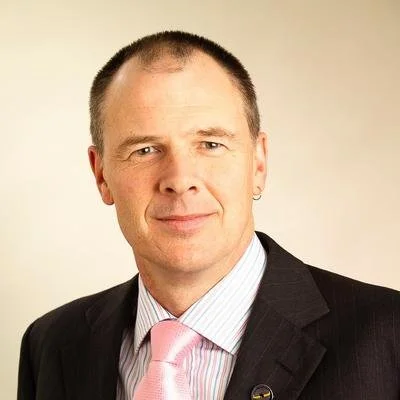

Executive Director
Stuart brings over 35 years of experience working on extractive sector biodiversity management and conservation issues. He led Rio Tinto's work on Net Positive Impact for 22 years and is a founding member of the Business and Biodiversity Offsets Programme (BBOP) and the Cross Sector Biodiversity Initiative.
Stuart Anstee
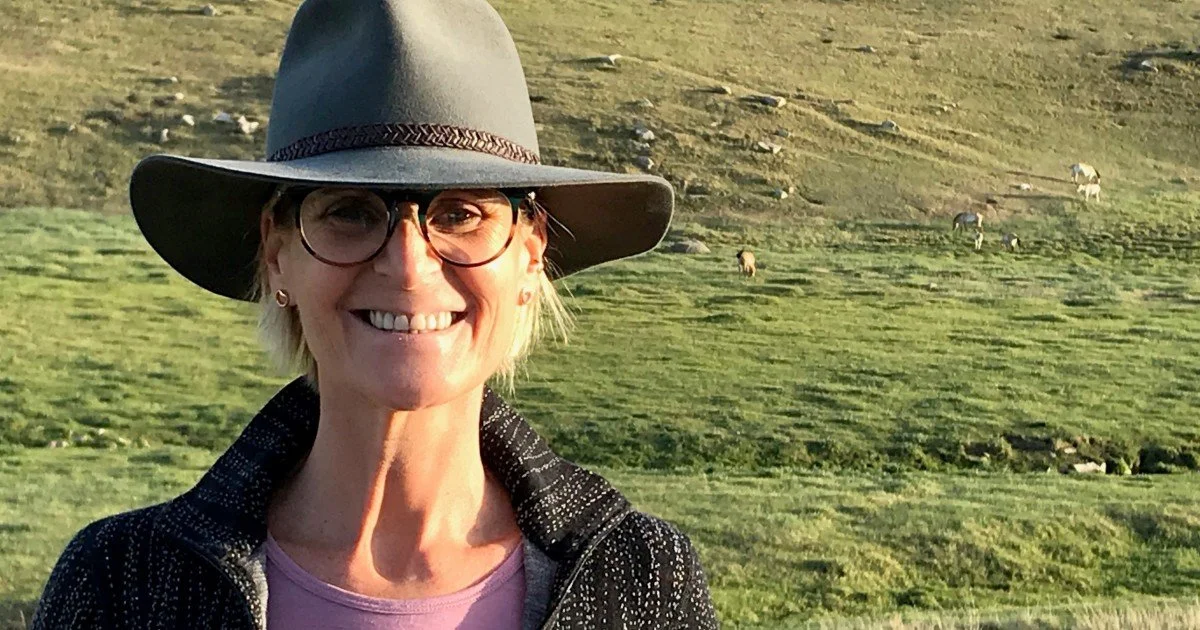

Director of Strategy
Helen brings 30 years of experience at the nexus of business and biodiversity across public and private sectors. She has served as Country Program Lead at Wildlife Conservation Society, Head of Sustainable Sourcing & Innovation at Kering, and Managing Director at Pollination. Helen was awarded Chevalier de l'Ordre National for services to the country by the President of Madagascar.
Helen Crowley

Director of Science and Landscape Planning
Jennifer brings 15+ years of experience working with international conservation NGOs, universities, and governments on global initiatives for nature. She is a global expert in integrated spatial planning and decision science for conservation, specializing in prioritization, optimization, and accounting for return on investment in decision-making.
Jennifer McGowan

Director of Engagement and Implementation
Ray brings over 35 years of experience in conservation finance, mitigation policy and practice, and community development, with field experience in Latin America, Africa, and Asia. He directed the Wildlife Conservation Society's Conservation Finance and Business and Biodiversity programs for 21 years. Ray served on the Secretariat of the Business and Biodiversity Offsets Programme (BBOP) and is a founding member and president of the Wildlife Friendly Enterprise Network.
Ray Victurine
Our Sectoral Focus
Measurable and material nature positive outcomes are determined at the landscape scale, where industries, communities, and ecosystems intersect. The NPLI model, built on 20+ years experience with public and private sectors, provides a framework that can be tailored to the unique operational pressures and strategic opportunities of sectors with significant ‘footprints’ in landscapes.

MINING

FORESTRY
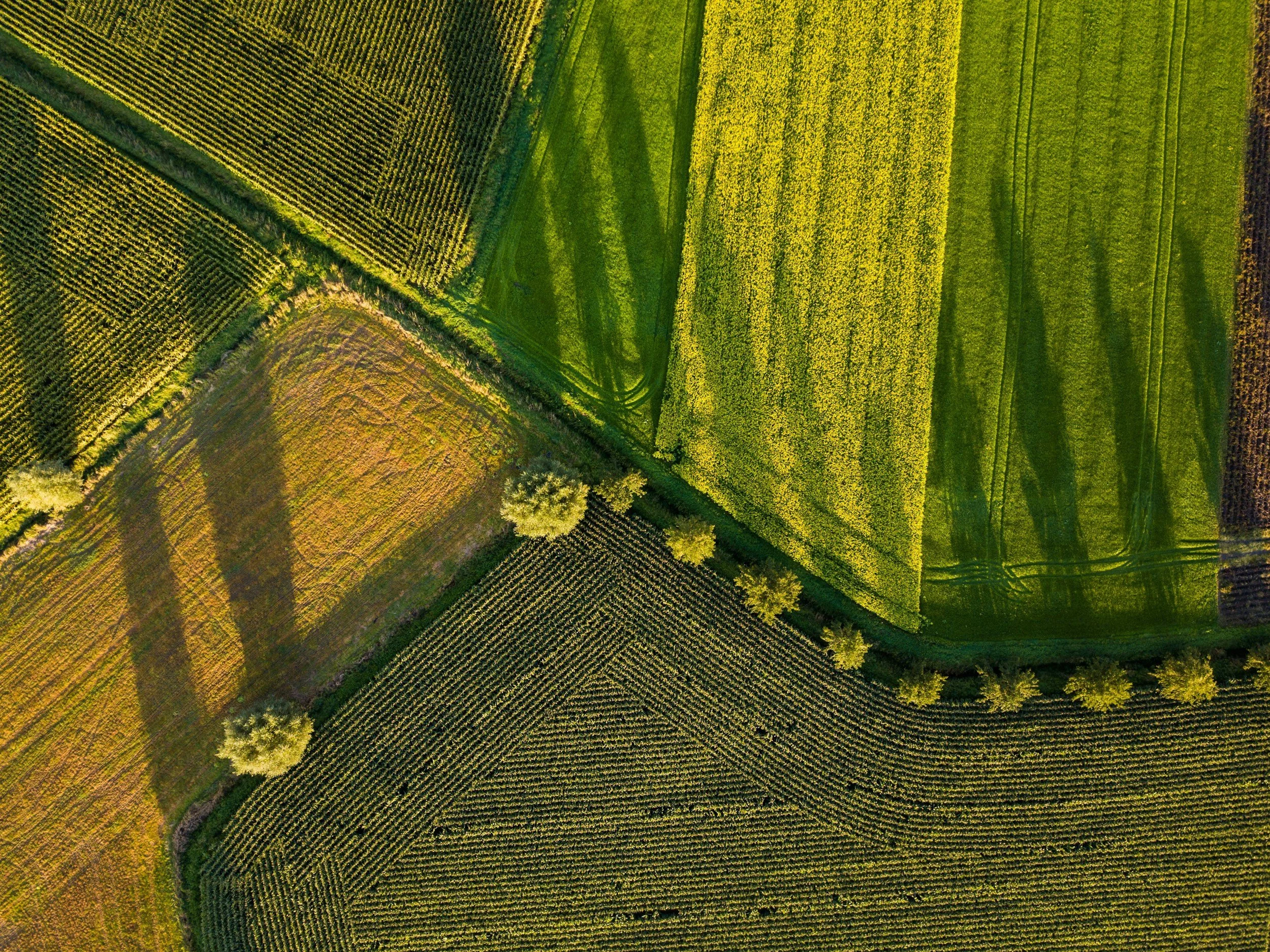
AGRICULTURE
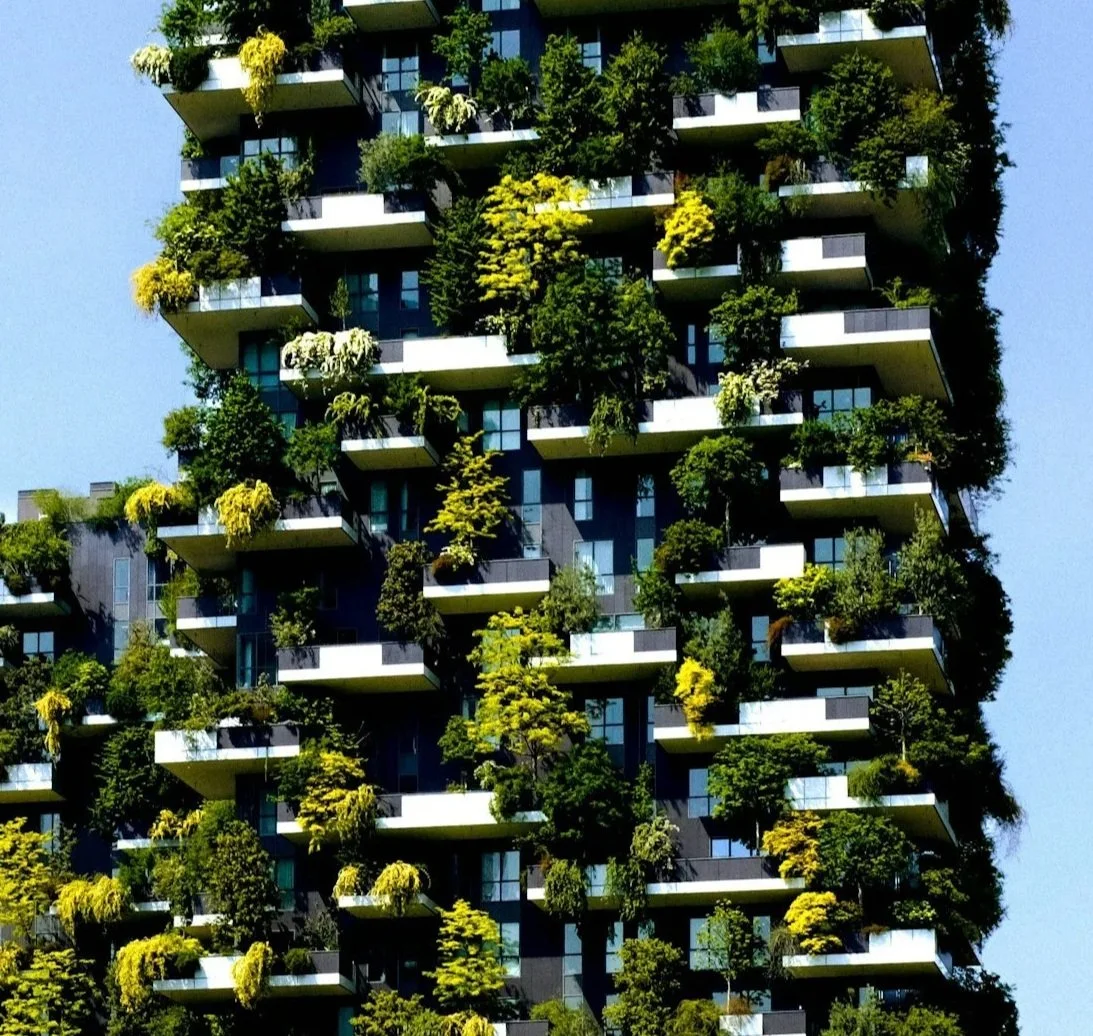
INFRASTRUCTURE